
Most brands chase the right tone and lose the real message.
Here’s what changes when you stop sounding nice—and start making sense.
Your enemy isn’t competition.
It’s confusion.
Look at your homepage.
Could a stranger tell what you do in 10 seconds, and explain it to someone else?
If a room full of potential clients asked, “What do you do?”
Could you confidently describe your business in one sentence, telling everyone not only the ‘how’ but ‘why’?
If not, you’re not unclear.
You’re invisible.
Most people don’t leave your brand because they don’t like you. They leave because they don’t understand you. They see a generic business among a sea of others who look and sound just like you.

STOP SOUNDING LIKE EVERYONE ELSE
Connecting with your customer is more than trying to sound clever, professional, or friendly.
Too many businesses obsess over tone and visuals, while their core message is empty. They say everything—except what matters. And then slap on a sexy CTA like, “Contact Us Now!”
The one thing they’re not?
Clear.
Because saying so much ends up saying nothing at all.
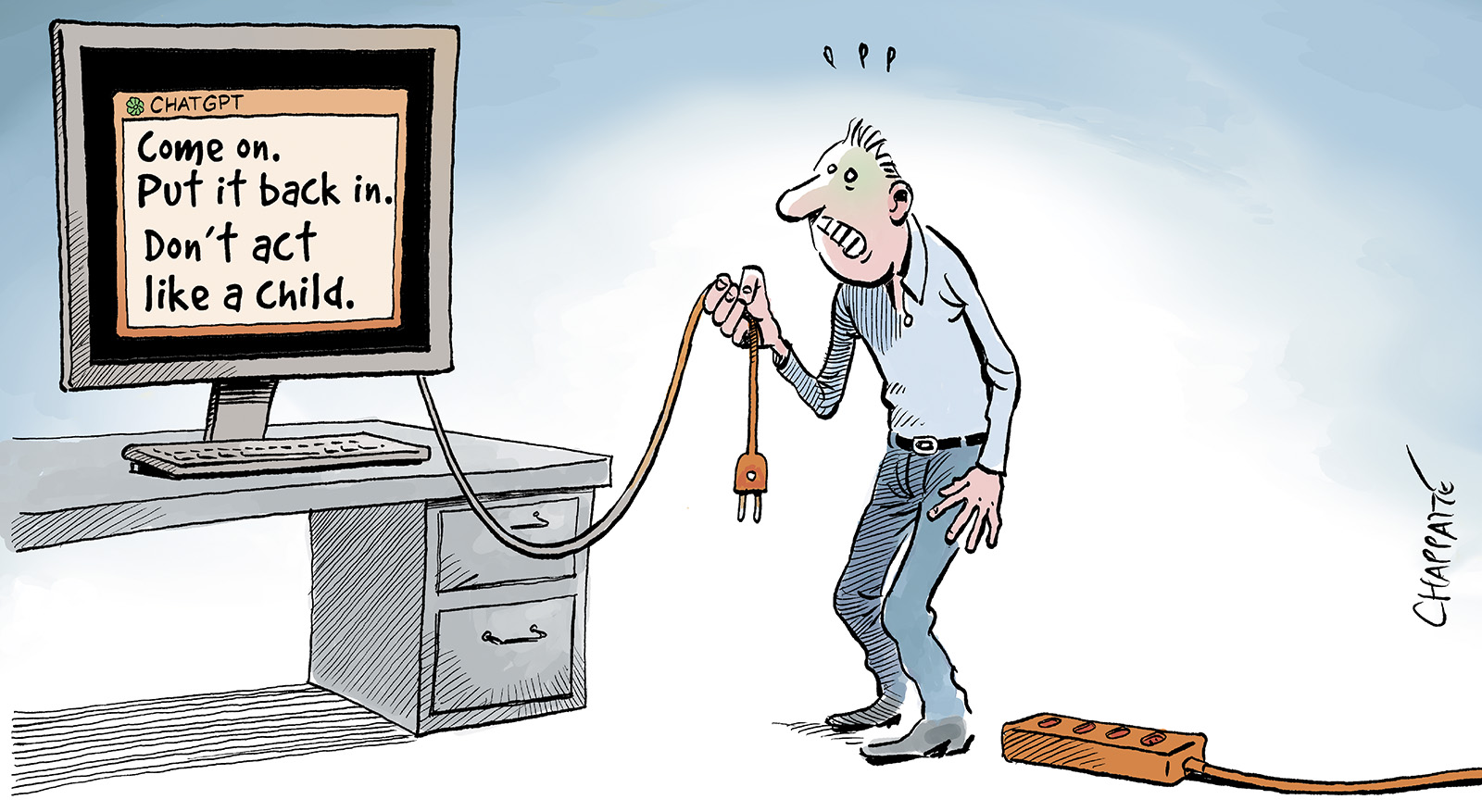
Even worse, all of their messaging sounds like it was written by AI. Now it’s not just unclear—it looks like they didn’t even bother to write it themselves. That kills trust instantly. Customers bounce before they blink.
WE’VE BEEN THERE
We understand because we’ve been there.
“Homepage need a revamp?”
“We make your About page shine!”
“We got your back!”
“Call us anytime!”
Those were some of the words that Bratton Creative used as their first marketing material. We thought fast copy and good vibes would carry us. That flash mattered more than fire. But shallow wins don’t build loyalty, and we learned that the hard way.
Since then, we’ve learned the difficult truth: sounding nice gets attention; being clear earns trust.
Here’s what happens when you start being clear over sounding nice.
Clarity > Likeability
It’s not anyone’s fault.
We’ve all been trained to be agreeable. Friendly. Polite. Non-threatening. But clarity can’t always sound like that—and that’s the problem.
In most settings, tone and presentation are extremely important. Sometimes, being clear isn’t the best goal, especially when empathy matters more.
It’d be common courtesy to tell someone who recently had a death in the family:
“My condolences. Thinking of you during this difficult time. If there’s anything I can do, just say the word.”
Versus the clear extreme: a non-performative, clarity-driven version:
“Damn, I heard about Randy. That’s rough. Got enough tissues? You don’t need to talk. Just nod if you want me nearby.”

Fitting in works fine at weekend events. But in writing? It dilutes your message, weakens your voice, and makes your brand forgettable.
Trying to please everyone is a surefire way to make sure you please no one. And it’s often how brands disappear or get passed over.
Clarity and transparency win trust—and keep it—far better than charm ever will.
Tell your customer:
- Exactly what you’re doing
- Who it’s for
- Why you’re doing it
- And what you’re planning next
Do that, and you won’t just hold attention—you’ll earn momentum. We’ve even had clients follow us to the next step just to see if we made good on our promise.
THE DATA IS BRUTAL
- 94% of consumers say they’re more likely to be loyal to a brand that offers complete transparency (Label Insight, 2016)
- Brands using clear, consistent messaging across all platforms see an average 23% increase in revenue (Lucidpress, 2019)
- 86% of buyers say authenticity is important when deciding what brands they like and support (Stackla, 2019)
If your business doesn’t make sense—and make sense fast—clients won’t stick around to decode it. They’ll just move on.

Real-World Example: The Mechanic
We helped a mechanic, Dan, who wasn’t getting quality leads from his small business website. Dan was a gifted transmission rebuilder but his contact form kept pulling in oil change and tune-up requests. Nothing wrong with the traffic. Just the wrong kind of attention.
Here’s how we helped Dan:
Here’s what the contact form initially said:
His contact form had cheerful but vague language like: “We’re happy to help with whatever you need!” and “Reach out anytime!”
The problem?
Too open-ended. No direction. No urgency. The words feel nice but nice isn’t specific—it’s broad and safe. And specific is what converts.
We replaced it with:
“Transmission problems? Dealing with slipping gears, difficulty shifting, unusual noises or leaking fluids? Send your make, model, and what’s acting up. Even better, attach a photo or video. We’ll reply within 48 hours. No upsells, no pressure.”
The result?
Same form. Clear language.
Submissions doubled and qualified leads jumped by over 50% in just two weeks.
UNCOVERING A DEEPER ISSUE
Digging deeper, we found the same problem elsewhere. Vague service descriptions. No urgency. No dedicated services page. No path to the real money work.
We helped Dan clarify three things: what he did, what he loved doing, and why it mattered. Then we rebuilt the message to make sure customers got it too—fast.
One line from his site said:
“We do everything from rebuilds to diagnostics. Call us anytime!”
The problem?
Generic. Passive. No structure, no urgency, no filter. It welcomed literally everyone—so no one took it seriously.
We rebuilt it with:
- Site-wide CTA:
“Having transmission problems? Send your make, model, and what issues you’re having. We’ll reply within 48 hours. No upsells, one call, one-and-done. We’ll either get you a quote or help you find the right place.
Now the customer knows exactly what to do, what to expect, and how fast it all happens. Friction gone.
- Service Page rewrite:
“Difficulty shifting? Gears slipping or car knocking? We inspect, diagnose, and quote within under 48 hours. Full transparency. No surprise charges or gotcha gimmicks. You’ll always know what we’re doing, and why.”
Urgency. Transparency. Precision. Everything the old message lacked.
The result?
Real leads started coming in, complete with vehicle details and clear problems. No back-and-forth. No time-wasters. Just booked jobs.
Mini Checklist
Here’s what clarity looks like when applied to real messaging—line by line.
“Likeable” vs. Clear
Prompt
“Likeable” version
Clear version
About Page
“We’re passionate about serving you!”
“We repair or replace broken HVAC units within 48 hours.”
Contact CTA
“We’d love to chat!”
“Send us your issue. We’ll get back today.”
Service Description
“High-quality, dependable, affordable.”
“Flat $49.95 per visit. No surprises.”
Email Subject
“Let’s stay connected!”
“3 ways to save $100 on your next visit”
Optional Quick FAQ
Q: Can’t I be both likeable and clear?
A: Absolutely—but clarity has to come first. If people don’t understand you, they won’t stick around long enough to learn about you. Lead with what matters, then let your personality follow.
Q: What if my brand is built on being friendly?
A: Having a brand identity is great! Just make sure your friendliness shows up in how you help, not just how you talk. Clear writing earns trust faster than a cheerful tone alone or open promises. Start by being honest, not just upbeat, and proving value to your customer first.
Q: Does this work in professional industries?
A: Yes, writing with clarity in this way is highly beneficial in professional industries. In fields like finance or government, people expect clear answers—they trust you more when you don’t dance around the point. Clarity is even more important in fields like law and medicine, where the wrong message could affect a person’s life or liberty. Confidence in your message builds confidence in your service.
Bottom line:
In the post-AI world, it’s simple—no small business can afford confusion. Not in a crowded market. Not in a distracted world.
Confusion costs clients. Vagueness and dishonesty kill trust. Precision and transparency get remembered.
Start with clarity.
Follow with charm.
Built a formula for success on foundation, not formality.
In plain English: if your brand sounds like everyone else—clever, polite, and forgettable—you lose the customer before they even have a chance to look around.
Clarity isn’t a tone; it’s a tactical advantage, and in a distracted world full of templates and robots, it’s the only way to be remembered.
Ready to sharpen your messaging?
That’s what we do at Bratton Creative. No templates. No guesswork. Just handcrafted clarity, individually tailored for your unique business.
Tags:
#MessagingStrategy #Copywriting #BrattonCreative #ClarityOverCharm #SmallBusinessMarketing #BrandVoice #CustomerEngagement #CommunicationStrategy

 Bratton Creative